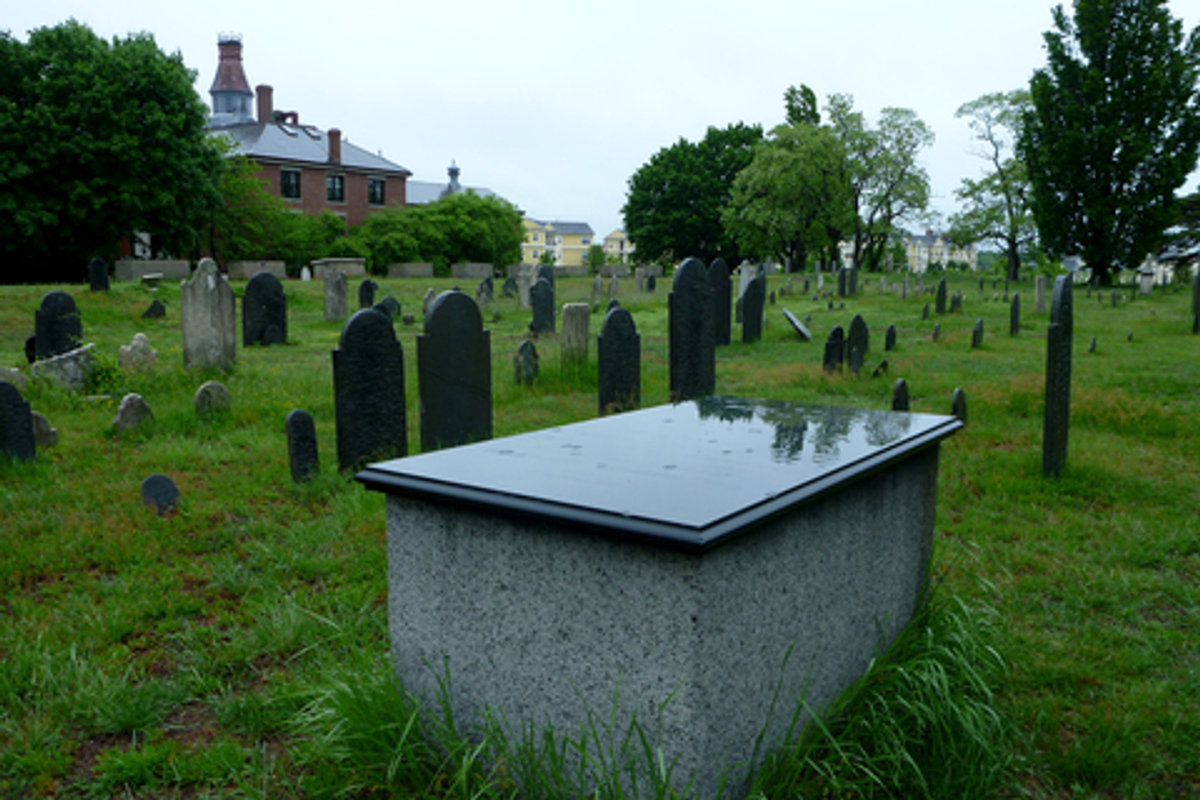
Salem Witch Trials Driving Ghost Tour
Salem, MA
Explore the tragic history and lingering legends of the 1692 witch trials across Salem, Peabody, and Danvers at your own pace.
Take This Ghost TourPurchased and delivered on WalknTours.com
About the Salem ghost tour
Salem holds an enduring legacy unlike any other American community, but the true narrative of the 1692 witch panic extends far beyond the bustling sidewalks of the downtown district. While standard ghost tours in Salem often confine visitors to a handful of walkable commercial streets, the crisis actually unfolded across several rural colonial settlements. This self-guided ghost tour broadens your horizons by connecting historic locations across Salem, Peabody, and Danvers—formerly known as Salem Village. Traveling between these communities by car offers an immersive perspective on how collective paranoia traveled across county roads, following the dark trajectory from the earliest accusations to the final hangings.
Steering your own route allows you to explore significant historical grounds and reputedly haunted places in Salem and Danvers without the distractions of large crowds or strict schedules. The driving path guides you directly to Proctor's Ledge, the somber rocky bluff confirmed by modern researchers as the authentic hanging site for nineteen innocent colonists. You will also examine Gallows Hill, learning why centuries of popular misconception obscured the true execution grounds. The route continues toward the parsonage cellar where young accusers first exhibited unexplained afflictions, the meetinghouse site where public examinations sealed the fates of respected townsfolk, and the preserved rural homestead where the elderly Rebecca Nurse was seized.
For those who appreciate both documented history and the eerie atmosphere of New England folklore, this Salem ghost tour delivers unmatched flexibility and emotional depth. You are free to pause at Broad Street Cemetery to gaze upon the graves of influential trial officials or take quiet time at the Witchcraft Victims' Memorial in Danvers. Because you control the vehicle and the timetable, the experience can easily transform from a brisk afternoon drive into an in-depth historic pilgrimage. It represents one of the most comprehensive ways to honor the memory of the accused while exploring the restless heritage of the North Shore.
Haunted Highlights
Stops and locations along the route. Hauntings described here are local legend and reported stories, not established fact.

Broad Street Cemetery
This historic burial ground contains the graves of trial judge Jonathan Corwin and Sheriff George Corwin. Local lore claims that lingering energy surrounds these magistrates' markers, where visitors report uneasy chills near the resting places of the court's key enforcers.
Proctor's Ledge
Confirmed in 2016 as the execution site where nineteen innocent individuals were hanged, this solemn rocky outcrop is regarded by many as deeply sorrowful ground, with reported sensations of heavy air and unexplained quiet lingering around the perimeter.
Gallows Hill
Though modern researchers disproved long-standing beliefs that executions occurred atop this prominent rise, folklore persistently linked the hill to the hangings for generations, spawning enduring local ghost stories and tales of lingering nighttime shadows.
John Proctor House
Once home to the outspoken farmer who condemned the hysteria and was subsequently executed, this private landmark carries stories of enduring sorrow. Legend suggests Proctor’s defiant spirit never entirely vacated the property he worked so hard to protect.

Rebecca Nurse Homestead
As the only accessible home of an executed victim, this preserved seventeenth-century homestead carries a poignant legacy. Visitors and folklore enthusiasts occasionally speak of strange breezes and a melancholic presence around the grounds where Nurse was arrested.
Salem Village Parsonage
At these archaeological cellar remains, Betty Parris and Abigail Williams first suffered their infamous convulsions. Paranormal lore often portrays the parsonage ruins as an epicenter of residual tension, said to echo the panic that ignited the trials.
First Church of Danvers
This site hosted the chaotic public examinations of accused witches and later saw Ann Putnam Jr. issue her historic apology. Local traditions speak of faint echoes and lingering spiritual unrest tied to the intense confessions heard here.
Witchcraft Victims' Memorial
Erected to honor those executed during the 1692 hysteria, this contemplative monument in Danvers offers a space for remembrance. Local accounts often describe a profound stillness and palpable aura of sorrow encompassing the stone inscriptions.
What You'll Experience
This self-guided audio tour operates through a dedicated smartphone application that relies on GPS technology to trigger narration automatically as you navigate. Once you download the tour onto your mobile device before setting out, the entire experience functions seamlessly offline without requiring active cellular data or Wi-Fi. Because there are no tour guides, set schedules, or crowded tour groups to follow, you are free to begin whenever you like, pause at any landmark to investigate on foot, and resume driving at your own convenience. It offers the complete freedom of a private road trip paired with professionally curated storytelling.
- GPS-guided routeStories trigger automatically as you reach each location.
- Stories auto-playNo buttons to hunt for while you're walking.
- Your own pacePause for dinner, a drink or a photo and pick it up again.
- No group, no guideIt's just you and whoever you bring.
- Smartphone onlyDownload before you set out and bring headphones.
- Historical storytellingReal local history alongside the legends.
Where the tour starts
Approximate starting area. Exact stops and directions are provided inside the tour itself.
How Did Colonial Fear and Paranoia Transform Salem?
In the winter of 1692, the isolated settlement of Salem Village—known today as Danvers—became the epicenter of one of colonial America's most devastating panics. The crisis originated in the parsonage household of the local minister, Reverend Samuel Parris. There, his nine-year-old daughter Betty Parris and eleven-year-old niece Abigail Williams began displaying bizarre physical fits, contortions, and outbursts that baffled local physicians. When medical science offered no answers, community leaders attributed the children's suffering to demonic witchcraft. Under intense pressure, the afflicted girls named community outcasts as their tormentors, unleashing a wave of accusations that quickly spiraled beyond control.
As hysteria spread, colonial authorities established the Court of Oyer and Terminer to hear the cases. Accused men and women were brought to the First Church of Danvers for intense public examinations, where spectral evidence—claims that an accused person's apparition attacked the victims—was permitted as legal proof. Respected figures who dared to question the legitimacy of the court were targeted themselves. John Proctor, a successful local farmer and tavern keeper, openly denounced the credibility of the afflicted girls, only to find himself accused, convicted, and condemned to death. Even Rebecca Nurse, an elderly and devout matriarch known for her piety, was convicted despite widespread defense from her neighbors. Influential magistrates like Judge Jonathan Corwin and Sheriff George Corwin played central roles in prosecuting and executing the accused, leaving legacies that shadowed their families for generations.
Between June and September 1692, nineteen innocent people were brought to a rocky slope known as Proctor's Ledge and executed by hanging. For centuries, popular tradition mistakenly identified nearby Gallows Hill as the execution site, until archival research and archaeological findings in 2016 definitively pinpointed Proctor's Ledge as the true location. Years later, remorse swept through the community; in 1706, accuser Ann Putnam Jr. publicly apologized at the Danvers church, expressing grief for her role in sending innocent neighbors to their deaths.
Today, the memory of those trials remains woven into the fabric of the region. Local legend often suggests that the deep trauma of 1692 left an indelible imprint on the soil, with persistent tales of cold spots, unsettling whispers, and lingering apparitions reported near the parsonage foundations, Proctor's Ledge, and old colonial graveyards. While historians focus on the lethal power of superstition and legal failure, regional lore continues to view these historic sites as places where past grief still echoes into the modern day.
Along the route
Salem ghost tour questions
Haunted Stories & Guides
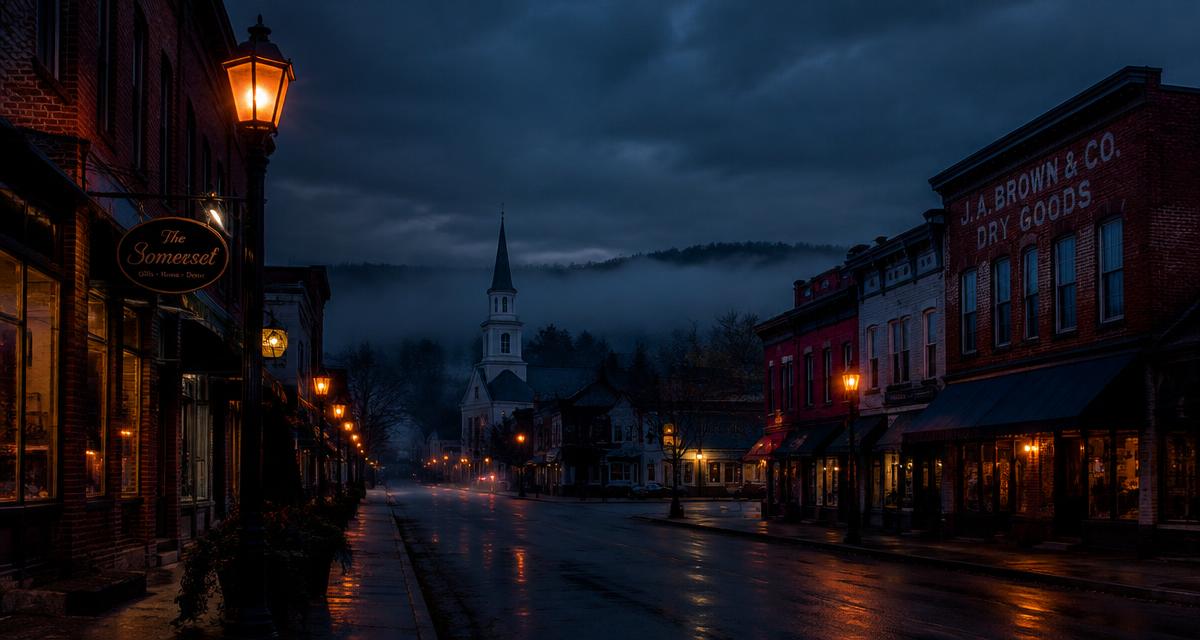 Haunted Towns
13 Haunted Towns in America for a Spooky Weekend Trip
Small towns where the whole place seems in on the story: thirteen walkable American towns with genuinely dark histories, atmospheric main streets, and a self-guided ghost tour you can start whenever the sun goes down.
Salem Ghost Stories and the History Behind Them
Explore Salem’s haunted reputation through the Witch House, Ropes Mansion and Giles Corey, with history distinguished from ghost lore.
Ready to Explore?
Take the Salem Ghost Tour
Go whenever you want. Explore at your own pace.
Start the Ghost TourYou'll be taken to WalknTours.com to complete your purchase.
Nearby ghost tours
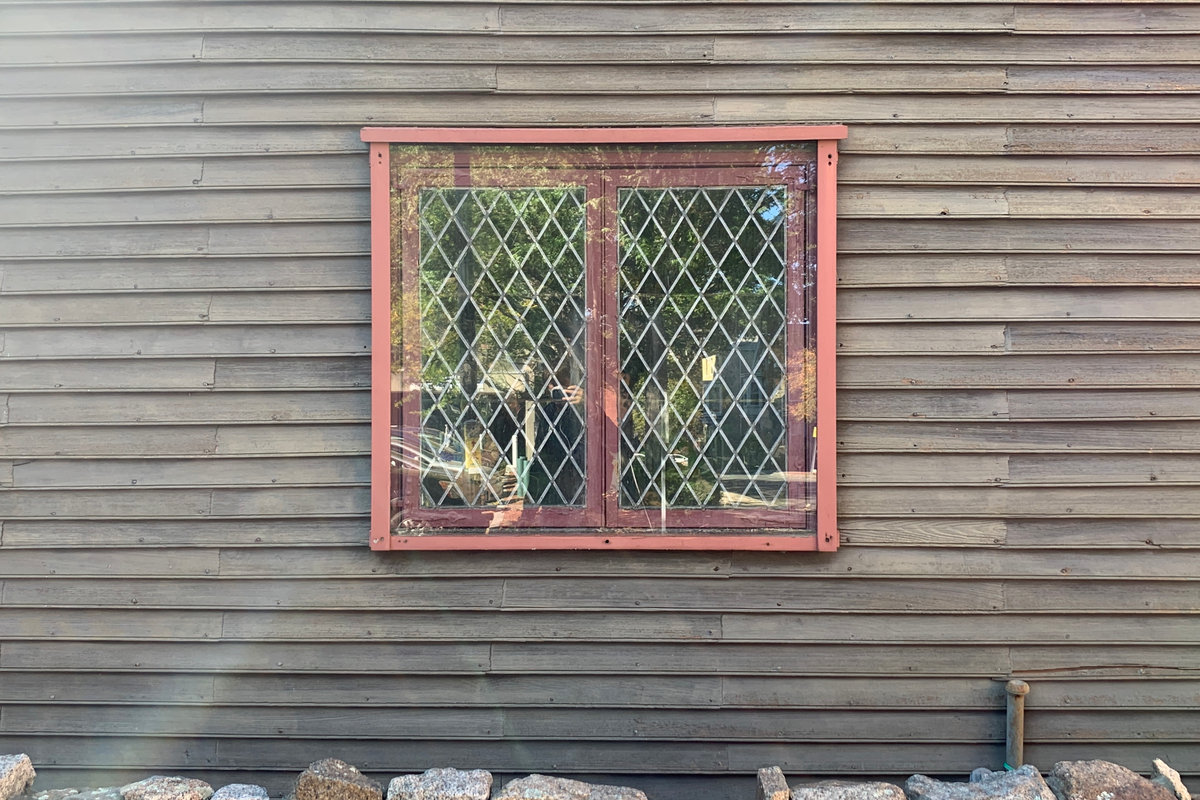 Ghost Tour
Salem, MA
Salem Ghost Tour
Discover Salem's chilling witch trial landmarks, haunted inns, and shadowy graveyards at your own pace with a self-guided audio walking tour.
 Ghost Tour
Boston, MA
Boston Ghost Tour: Ghosts of Boston's Past
Discover the spectral lore of historic burial grounds, historic hotels, and gaslit streets with this flexible self-guided GPS audio tour.
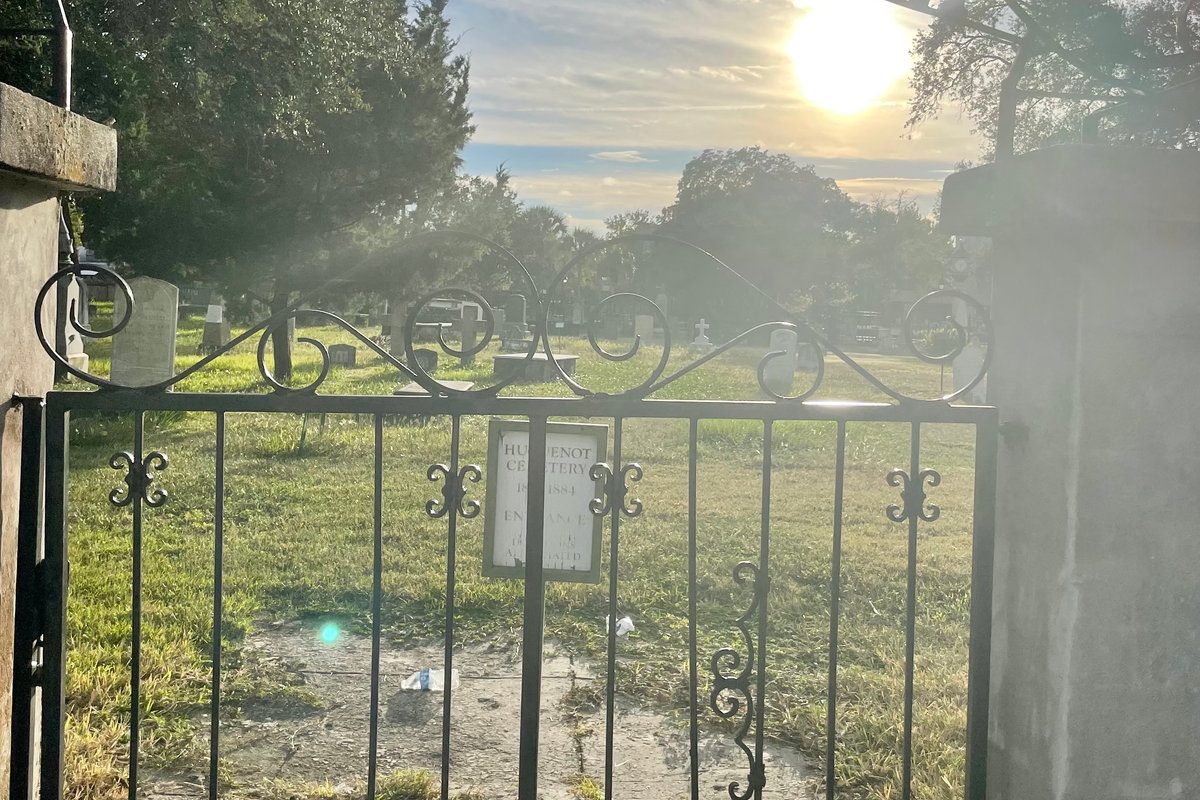 Ghost Tour
St. Augustine, FL
St. Augustine Ghost Tour
Explore the eerie legends and historic streets of America's oldest city on an autonomous GPS audio walking tour.