Ohio
Ghost Tours in Cincinnati
Self-guided haunted tours, ghost walks and dark history in Cincinnati, OH — explore at your own pace, any night you like.
Perched along the Ohio River, Cincinnati carries a layered, atmospheric heritage earned through centuries of rapid boomtown growth, industrial ambition, and restless history. Beneath the Queen City’s stately Italianate facades and vibrant cultural corridors lies a darker, spectral folklore that draws curious explorers after dark. The historic district of Over-the-Rhine (OTR) serves as the primary stage for these supernatural tales, preserving one of the largest intact collections of nineteenth-century urban architecture in the United States. Walking these brick-paved streets, visitors are surrounded by grand landmarks and hidden alleyways that have quietly borne witness to epidemics, riots, and subterranean intrigue.
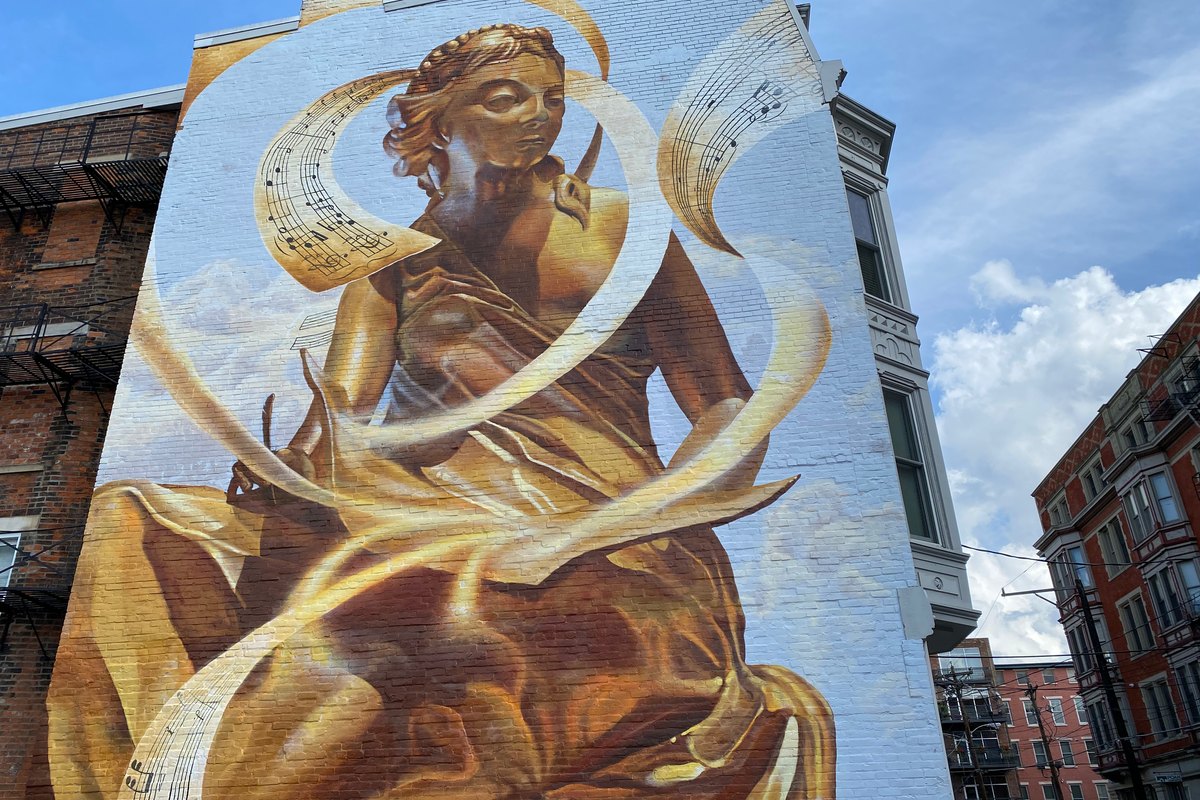
A self-guided haunted walking tour offers the freedom to experience Cincinnati's eerie legacy entirely on your own schedule. Without the rigid rush of a large group, you can pause to admire the shadowed arches of Cincinnati Music Hall, stroll the gaslit paths of Washington Park, or contemplate the silence echoing from sealed underground passages. Stops along the route introduce you to legendary local lore, from the lingering whispers reported within historic venues like Memorial Hall and the Symphony Hotel to the subterranean secrets beneath Taft’s Ale House and the atmospheric subterranean lounge known as Ghost Baby.
Whether you choose to wander beneath the twilight canopy or venture out in the dead of night, these self-guided explorations weave together documented city history and longstanding ghost lore. Each site presents a chapter in Cincinnati’s storied past, inviting you to listen closely to the echoes along Republic Street and determine for yourself what still lingers in the Queen City's historic shadows.
Haunted tours in Cincinnati (1)
Cincinnati ghost tour map
Approximate starting locations for each tour in Cincinnati.
The Haunted History of Cincinnati
Cincinnati’s nineteenth-century rise was as tumultuous as it was swift. Founded in 1788 and quickly nicknamed the "Queen of the West," the river city expanded rapidly as German and Irish immigrants flooded into the basin north of downtown, transforming the district into Over-the-Rhine. Yet alongside booming breweries, pork packing plants, and ornate civic structures, the city endured devastating cholera outbreaks, deadly civil unrest, and frequent industrial accidents that left an indelible mark on the urban fabric.
Nowhere is this legacy more evident than in the ground beneath modern Washington Park and adjacent Cincinnati Music Hall. During the early nineteenth century, portions of this land served as an almshouse, an orphan asylum, and a potter's field for destitute citizens and victims of deadly epidemics. When construction began on Music Hall in the 1870s, workers unearthed skeletal remains, fueling persistent reports of phantom figures, moving shadows, and disembodied voices lingering in the auditorium, backstage corridors, and neighboring Memorial Hall. Today, performers and staff frequently speak of strange chills and unexplained acoustic anomalies within these hallowed performance spaces.
Across the park, the neighborhood’s residential and commercial corridors carry their own dark tales. Along Republic Street, once known as Bremen Street, early tenement living was dense, gritty, and occasionally violent, giving rise to urban ghost lore passed down across generations. Nearby, the historic Symphony Hotel—originally built in the late nineteenth century—has garnered a reputation among visitors for mysterious footsteps pacing empty stairwells and doors quietly opening without human touch. Further north along Elm Street, the majestic brick structure housing Taft’s Ale House, formerly St. Paul's Evangelical Protestant Church, reminds visitors of the district’s deep German ecclesiastical roots, complete with stories of spectral figures observed in choir lofts and bell towers.
Beneath the surface, Cincinnati’s relationship with subterranean spaces adds another dimension to its folklore. Below street level, forgotten lagering cellars, hidden tunnels, and the abandoned tunnels of the Cincinnati Underground Subway—an ambitious twentieth-century transit project halted before carrying a single passenger—run like hollow veins beneath Over-the-Rhine. Venues like Ghost Baby now occupy historic subterranean lagering caverns, honoring the moody mystique of these subterranean spaces where faint, unexplained sounds and temperature drops remind patrons of the city’s buried past. Together, these locations preserve a captivating portrait of a city where history, tragedy, and legend remain permanently entwined.
Haunted Stories & Guides
Salem Ghost Stories and the History Behind Them
Explore Salem’s haunted reputation through the Witch House, Ropes Mansion and Giles Corey, with history distinguished from ghost lore.
 Cemeteries
15 Haunted Cemeteries in America and the Ghost Stories Behind Them
From New Orleans' cities of tombs to a Salem burial ground older than the witch trials: fifteen American cemeteries worth visiting in daylight — who's buried there, what's documented, and what's legend.
 Haunted Towns
13 Haunted Towns in America for a Spooky Weekend Trip
Small towns where the whole place seems in on the story: thirteen walkable American towns with genuinely dark histories, atmospheric main streets, and a self-guided ghost tour you can start whenever the sun goes down.