New Hampshire
Ghost Tours in Portsmouth
Self-guided haunted tours, ghost walks and dark history in Portsmouth, NH — explore at your own pace, any night you like.
Set along the tidal banks of the Piscataqua River, Portsmouth, New Hampshire, is celebrated for its preserved colonial architecture, vibrant waterfront, and maritime charm. Beneath its picturesque exterior, however, lies nearly four centuries of turbulent history, devastating waterfront fires, and persistent ghost stories. From early colonial settlers and Revolutionary War sailors to Victorian eccentrics, generations have left their indelible marks on these brick-lined streets, giving rise to numerous accounts of strange phenomena and restless spirits.
Taking a self-guided stroll with Portsmouth's Famous Ghosts Walking Tour offers an atmospheric way to explore the historic downtown district after hours. With your smartphone in hand, you can wander at your own pace through narrow alleys, historic wharves, and stately town squares. Along the route, visitors encounter storied landmarks such as the grand Rockingham Hotel, reputed to harbor spectral guests from the Gilded Age, and the historic Portsmouth Music Hall, where backstage chill spots and phantom theatergoers have puzzled staff for decades.
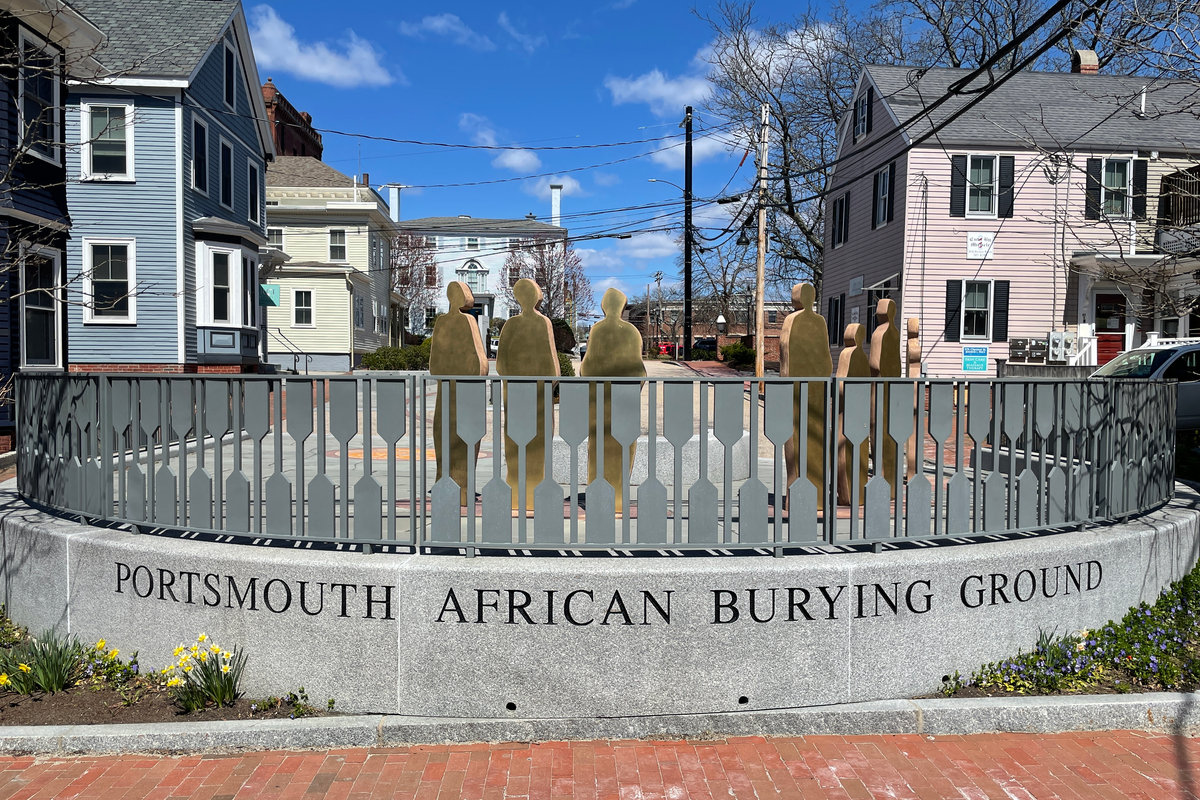
As you navigate the shadows, you will also discover sites of profound cultural memory, including the Portsmouth African Burial Ground Memorial, alongside the whimsical legends of phantom hounds, secret smuggling tunnels, and peculiar happenings reported around Ceres Bakery and State Street. Whether you are an avid paranormal enthusiast or a traveler drawn to the darker chapters of New England seacoast history, exploring Portsmouth's haunted heritage on foot reveals a captivating side of the city that daylight rarely shows.
Haunted tours in Portsmouth (1)
Portsmouth ghost tour map
Approximate starting locations for each tour in Portsmouth.
Shipwrecks, Great Fires, and Centuries of Coastal Hauntings
Settled by European colonists in 1630 under the name Strawbery Banke, Portsmouth quickly grew into one of the busiest and wealthiest ports in early America. Its deep-water harbor welcomed clipper ships, privateers, and cargo vessels from across the Atlantic, filling the waterfront with fortunes, rowdy taverns, and crowded boarding houses. However, maritime prosperity brought immense hardship. Violent storms claimed countless local sailors, infectious diseases swept through the port, and the human tragedy of early American slavery took deep root along the wharves.
Throughout the eighteenth and nineteenth centuries, Portsmouth was also repeatedly transformed by catastrophic conflagrations. The "Great Fires" of 1802, 1806, and 1813 swept through downtown, consuming hundreds of wooden homes and businesses in hours. In the wake of these disasters, city leaders mandated brick construction, giving the downtown its enduring architectural style while sealing countless lost artifacts and burned ruins beneath modern street levels.
This layered history has fostered persistent legends throughout the old port district. Below street level, stories of hidden brick tunnels—purportedly used for maritime smuggling, covert transport, and stations along the Underground Railroad—still spark the local imagination. Nearby on Chestnut Street, municipal utility workers in 2003 accidentally uncovered eighteenth-century coffins, rediscovering an overlooked colonial resting place that is now consecrated as the African Burial Ground Memorial, honoring those whose lives and names were nearly erased by time.
Many of Portsmouth's enduring ghost stories center on surviving historic buildings. The opulent Rockingham Hotel, rebuilt by local ale magnate Frank Jones after an 1884 fire, is renowned in local folklore for phantom cigar smoke and sightings of a well-dressed Victorian gentleman lingering in the grand dining rooms. A short walk away, the 1878 Portsmouth Music Hall has gathered decades of performer lore describing cold drafts, unprompted footsteps in the balcony, and shadowy figures in the lower dressing areas.
Along State Street, once a vibrant corridor of saloons, dockside inns, and boarding houses, centuries-old buildings like 111 State Street and 177 State Street have accrued colorful tales of late-night knocks, unexplained lights, and spectral figures from Portsmouth's maritime past. Further toward the waterfront, the lingering scents of phantom baking near Sheafe Street and the folk legend of the Huntsman and his phantom hounds embody the enduring mystery of New Hampshire's historic coastal capital.
Haunted Stories & Guides
Salem Ghost Stories and the History Behind Them
Explore Salem’s haunted reputation through the Witch House, Ropes Mansion and Giles Corey, with history distinguished from ghost lore.
 Cemeteries
15 Haunted Cemeteries in America and the Ghost Stories Behind Them
From New Orleans' cities of tombs to a Salem burial ground older than the witch trials: fifteen American cemeteries worth visiting in daylight — who's buried there, what's documented, and what's legend.
 Haunted Towns
13 Haunted Towns in America for a Spooky Weekend Trip
Small towns where the whole place seems in on the story: thirteen walkable American towns with genuinely dark histories, atmospheric main streets, and a self-guided ghost tour you can start whenever the sun goes down.