Haunted Places
Most Haunted Places in Salem, Massachusetts
Uncover the historic legends and documented ghost stories behind Salem's most storied landmarks, from colonial burying grounds to centuries-old maritime homes.
Perched on the windswept coast of Massachusetts, Salem carries a historical resonance unlike almost any other American town. Long before it gained renown as a focal point for autumn travelers, this maritime settlement was a bustling port whose fortunes rose on trade winds and fell with ocean tempests. Yet Salem remains inextricably tied to the harrowing winter of 1692, when mass hysteria culminated in the Salem Witch Trials. The complex human drama of that era, combined with centuries of seafaring tragedy, has layered the historic district with deep melancholy and enduring intrigue.
Today, cobblestone lanes and Georgian brick facades conceal decades of whispered folklore. Writers, travelers, and residents have long documented unusual occurrences throughout the city, ranging from phantom footfalls in restored colonial parlors to sudden drops in temperature near ancient headstones. While historians carefully untangle documented fact from later Victorian mythmaking, the legends endure. Here are seven of the most historically significant and reputedly haunted places in Salem.
The Witch House
Formally known as the Jonathan Corwin House, this dark, steep-gabled timber dwelling on Essex Street is the only surviving structure in Salem with direct ties to the 1692 trials. Local magistrate Jonathan Corwin purchased the home in 1675 and served on the Court of Oyer and Terminer, which condemned nineteen people to death. While Corwin suffered immense personal loss—several of his own children died young within these walls—the house stands as a stark, authentic artifact of seventeenth-century Puritan architecture and daily life.
Because Corwin utilized his home for private interrogations, popular folklore has long linked the property to the spirits of the accused. Guests on modern tours occasionally report localized cold drafts in the upper rooms, even during the heat of midsummer. Other visitors describe an uncomfortable sensation of being watched or experiencing a sudden heaviness upon crossing the threshold of the historic examination parlor, though museum staff attribute these feelings to the somber history interpreted within.
Old Burying Point Cemetery
Established in 1637, the Old Burying Point on Charter Street ranks among the oldest continuous burial sites in the United States. Its weathered slate and fieldstone markers lean gently in the shade of ancient deciduous trees. Prominent figures from early Massachusetts colonial life rest beneath the sod, including Mayflower passenger Richard More and Judge John Hathorne, an unrepentant magistrate during the witch trials whose great-grandson, author Nathaniel Hawthorne, added a "w" to his surname to distance himself from the family legacy.
Visitors strolling the perimeter paths after dusk frequently claim to capture strange optical phenomena on digital cameras, including anomalous spheres of light and faint misty contours near Hathorne’s tomb. Local lore also recounts instances of sudden, icy gusts sweeping across still autumn evenings and the faint sound of footsteps crunching across leaf-littered ground when no one else is visible nearby.
The Hawthorne Hotel
Opened in 1925, the stately Hawthorne Hotel stands opposite the historic Salem Common. Built to provide elegant accommodations for visiting merchants and society figures, the establishment quickly became the city’s civic centerpiece, hosting dignitaries, gala balls, and television productions over the decades. Its classic federalist architecture and maritime decor reflect the opulent era of New England's grand mid-century hospitality.
Over the years, hotel guests and hospitality workers have reported a host of peculiar experiences. The sixth floor, particularly Room 612, is frequently mentioned in guest accounts regarding unexplained key turns in locks, plumbing turning on unassisted, and a lingering sensation of an unseen presence standing beside the bed. In the lower public halls, staff have occasionally reported the transient, distinct aroma of fresh apples—a scent local superstition frequently associates with Bridget Bishop, who supposedly owned an orchard near the parcel.
The Joshua Ward House
Erected in 1784 for affluent sea merchant Joshua Ward, this imposing three-story brick federal residence on Washington Street holds an illustrious place in American architectural history, having even hosted President George Washington in 1789. However, the ground beneath the structure bears a darker past: the estate was constructed over the cellar foundation of High Sheriff George Corwin, the merciless enforcer of the 1692 warrants who ordered the fatal crushing of Giles Corey.
According to enduring Salem lore, Corey cursed Corwin and the town's lawmen with his final breaths. Over the twentieth century, occupants of the Joshua Ward House claimed to see a shadowy masculine figure pacing the basement and second-floor corridors. Other reports involve a wild-haired female apparition drifting past interior doorways. Although the home is a private commercial building today, passersby still pause on Washington Street, watching the second-story windows for sudden movements.
The House of the Seven Gables
Immortalized by Nathaniel Hawthorne’s 1851 Gothic romance, the House of the Seven Gables was built in 1668 for sea merchant John Turner I. For generations, the rambling mansion presided over Salem Harbor, witnessing shipwrecks, wartime blockades, and the steady decline of the colonial merchant class. Hawthorne frequently visited his cousin, Susannah Ingersoll, who resided in the house during the early nineteenth century and recounted local folklore that fueled the author's brooding literary imagination.
Docents and visitors have documented fleeting anomalies inside the home, particularly along the narrow, hidden second staircase. Accounts mention rocking chairs rocking gently without breeze, transient lights flickering in unoccupied upper chambers, and the brief appearance of a female silhouette gazing mournfully out toward Salem Harbor from the gabled windows—an apparition widely assumed by storytellers to be the devoted Susannah Ingersoll keeping watch over the tide.
Turner's Seafood at Lyceum Hall
Located on Church Street, the historic Lyceum Hall was built in the 1830s as a civic venue dedicated to public lectures and scientific discovery; notably, Alexander Graham Bell delivered the first public demonstration of the long-distance telephone here in 1877. The land beneath the hall holds historic tragedy: researchers believe the lot was once part of the apple orchard and domestic property belonging to Bridget Bishop, the first victim executed on Gallows Hill in June 1692.
Patrons of Turner's Seafood, which now occupies the restored brick building, occasionally trade accounts of paranormal activity. Waitstaff have reported salt shakers sliding across polished wooden surfaces and drafts manifesting in the historic staircase alcove. Legend holds that Bishop's spirit remains tied to her former land, with occasional diners reporting glimpses of a pale woman dressed in antique white garments reflected in mirrors before disappearing.
Proctor's Ledge Memorial
In 2016, a team of dedicated researchers and historians conclusively established that Proctor's Ledge, a rocky outcrop situated between residential streets at the base of Gallows Hill, was the precise location where the nineteen victims of the 1692 trials were hanged. Unlike romanticized Victorian depictions of a desolate hilltop, the site sits close to a quiet neighborhood. Today, a tasteful stone memorial circle, inscribed with the names of the victims, offers a dignified space for quiet contemplation.
Those who visit Proctor's Ledge often describe an overpowering atmosphere of solemnity. Folklore in the surrounding neighborhood has long whispered of unnatural quiet in the area, where birdsong occasionally seems to drop out entirely. Modern visitors often remark on sudden, distinct sensations of sorrow or cold air when standing before the memorial stones, a testament to the raw emotional gravity that still clings to this solemn ground.
Seeing them for yourself
Many of Salem's most storied locations can easily be observed on foot, making the historic downtown district an exceptional setting for self-guided evening walks beneath the antique street lamps. When planning an excursion, always remember that several of these historic sites, including the Joshua Ward House, are private property, while others serve as active places of business or memorial grounds. Always observe posted cemetery hours, treat residential neighborhoods with courtesy, and approach Salem’s layered past with the dignity and respect its history deserves.
Hauntings described here are local folklore and reported experiences, not established fact. Always respect private property, posted hours and cemetery rules.
Walk these places on a ghost tour
 Witch History
Salem, MA
Salem Witch Trials Driving Ghost Tour
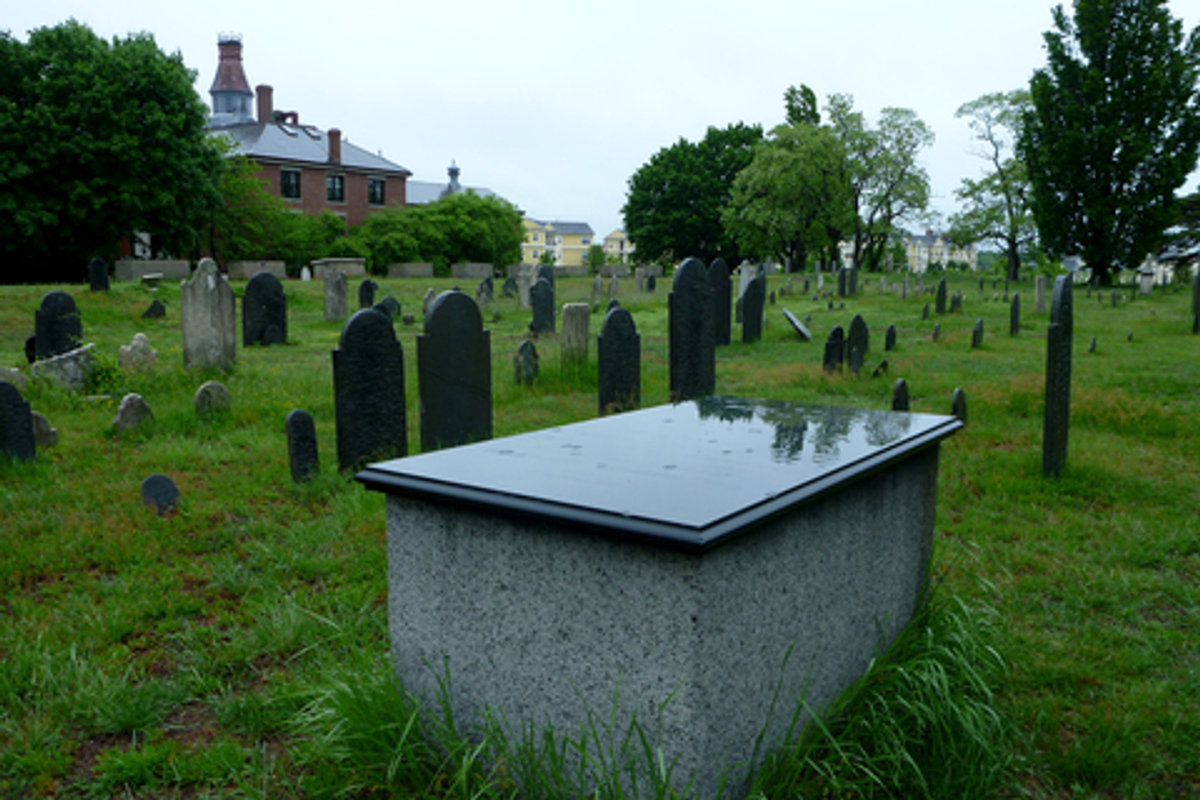
Explore the tragic history and lingering legends of the 1692 witch trials across Salem, Peabody, and Danvers at your own pace.
 Ghost Tour
Salem, MA
Salem Ghost Tour
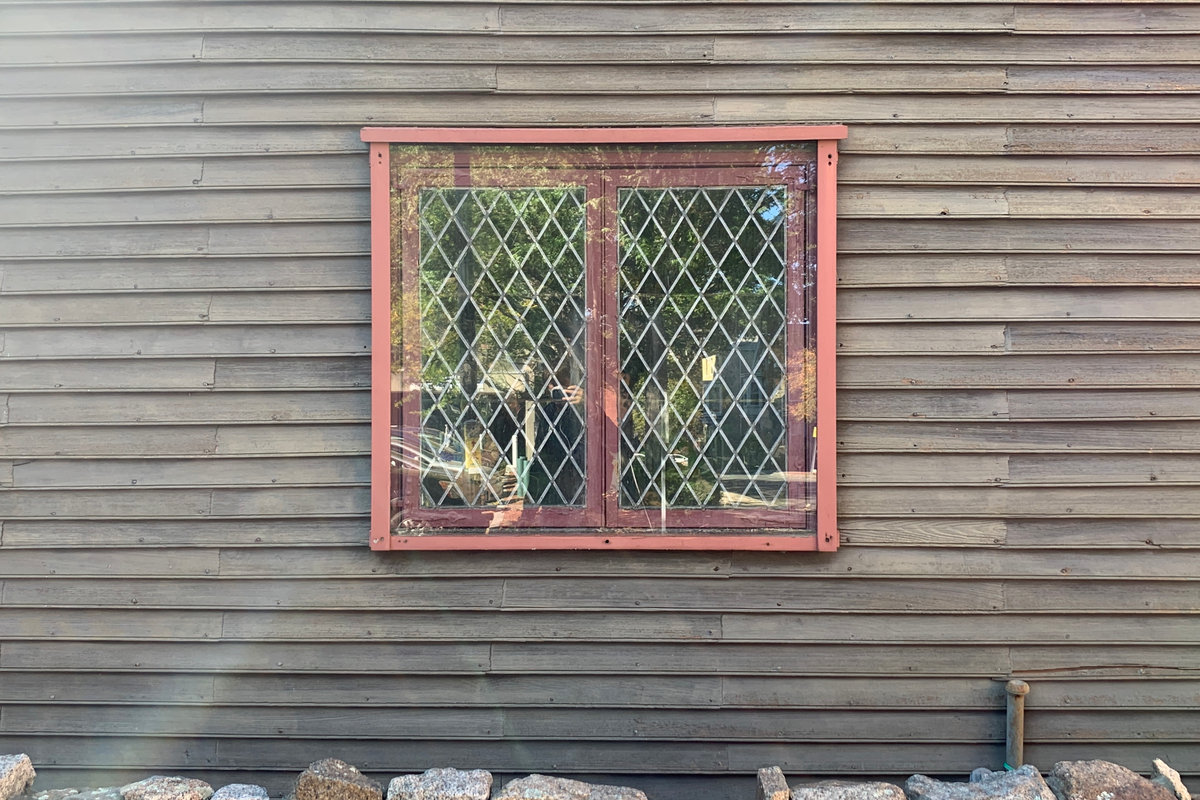
Discover Salem's chilling witch trial landmarks, haunted inns, and shadowy graveyards at your own pace with a self-guided audio walking tour.